HOW IT WORKS

How UniPat Works

STEP ONE

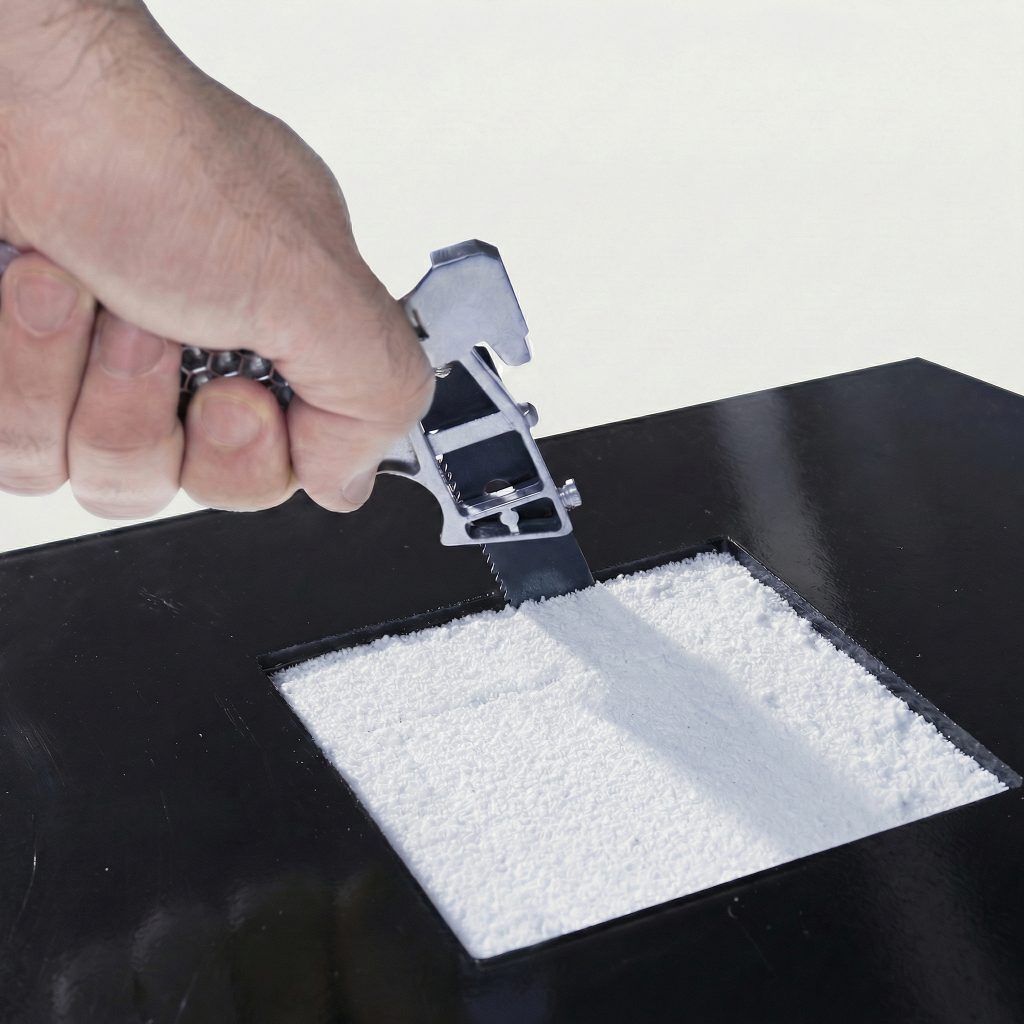
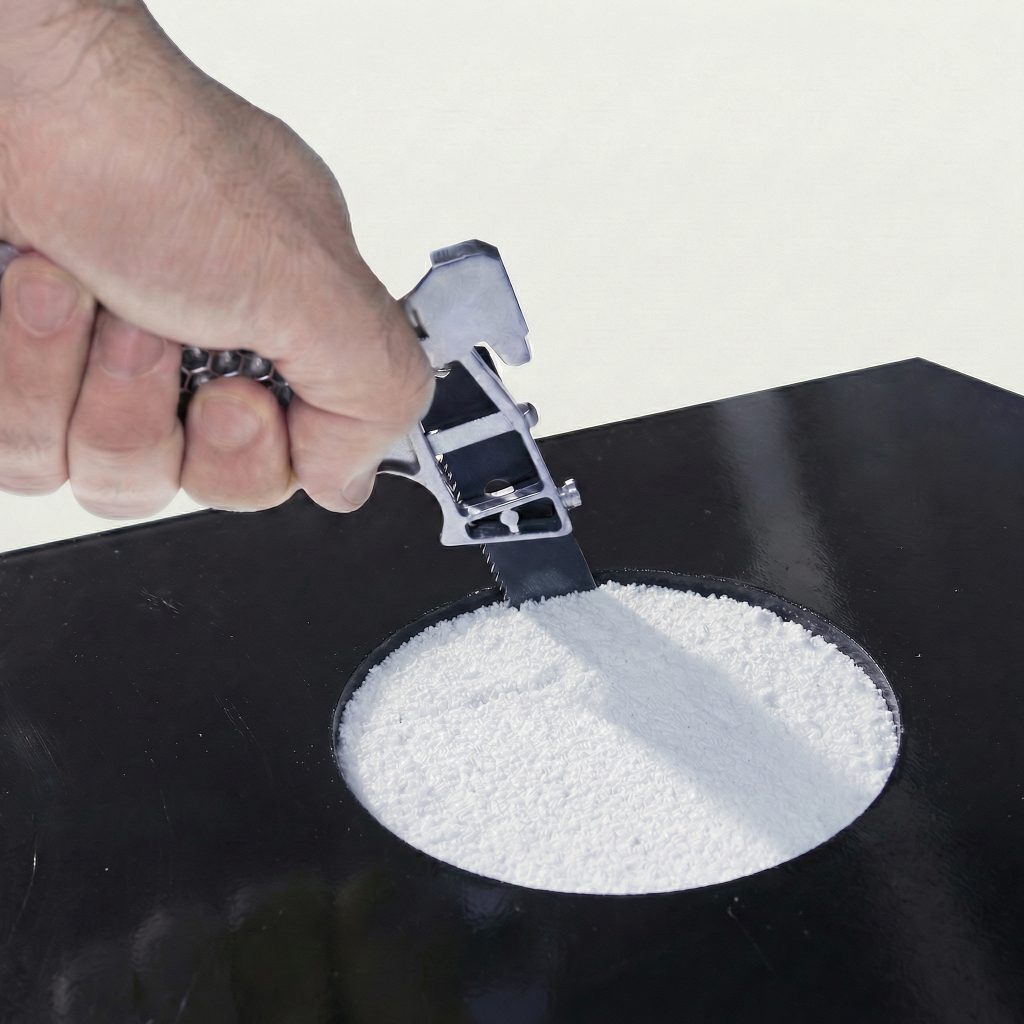
Mark and Cut the Ceiling Tile

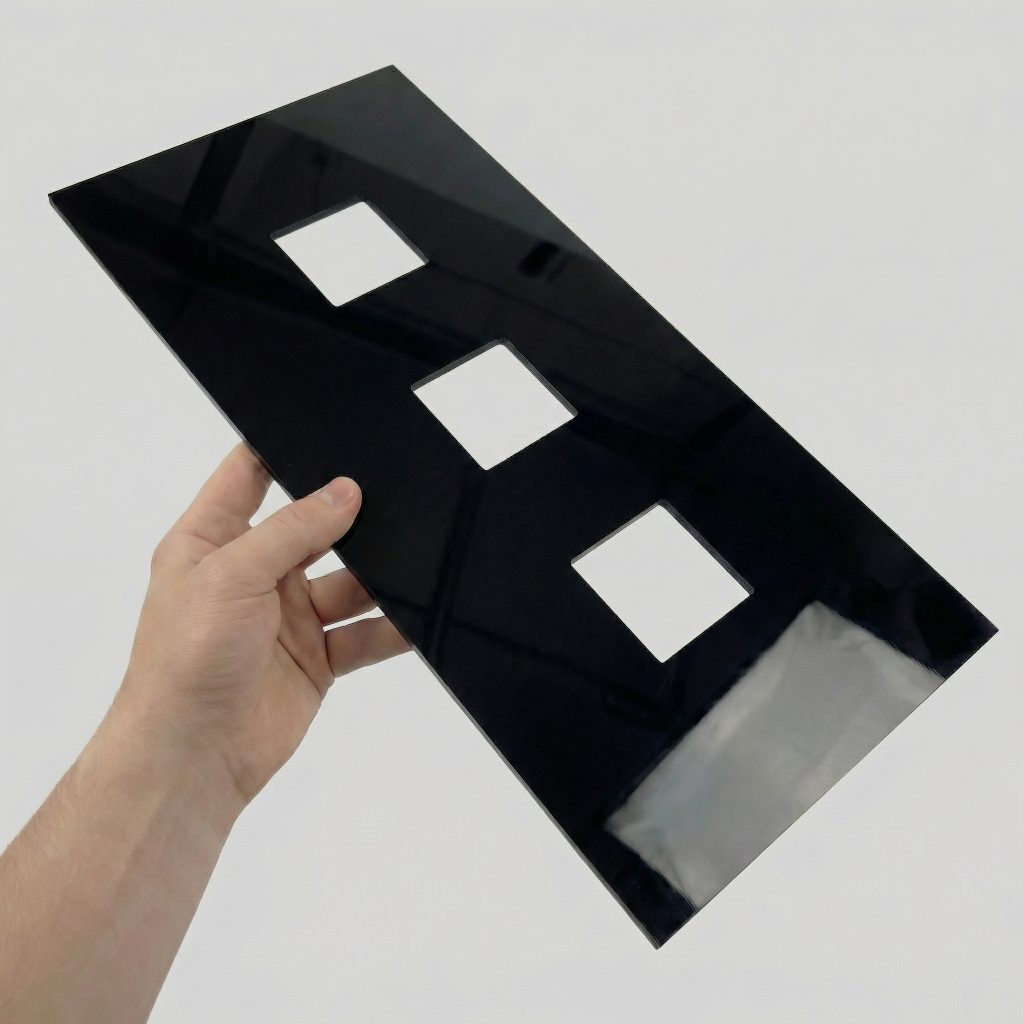
Using the UniPat template, mark and cut the ceiling tile accurately. Half-tile options allow devices to be centred on features such as doors, even where the ceiling grid does not align perfectly. The template ensures the opening is correctly sized and positioned, reducing the risk of mistakes or wasted tiles.

Step two

Fix UniPat in Place

Once the tile is cut, UniPat is placed on the tile, creating a stable and reliable mounting point. This allows the accessory to be positioned accurately within the tile, helping to achieve a clean, consistent installation while maintaining the integrity of the ceiling.

STEP THREE

Install the Accessory

With UniPat secured, the electrical accessory can be installed quickly and confidently. Multiple knockouts allow flexibility in back box placement without the need for additional cutting or adjustment. Unipat will also accept being fixed into where devices require fixing through the ceiling tile.

STEP FOUR

Final Fit and Finish

Once installed, the tile is ready to be placed back into the ceiling grid. The result is a clean, secure finish with no further cutting or adjustment required, allowing you to move straight on to the next install.

VERSATILITY

Designed for a range of applications

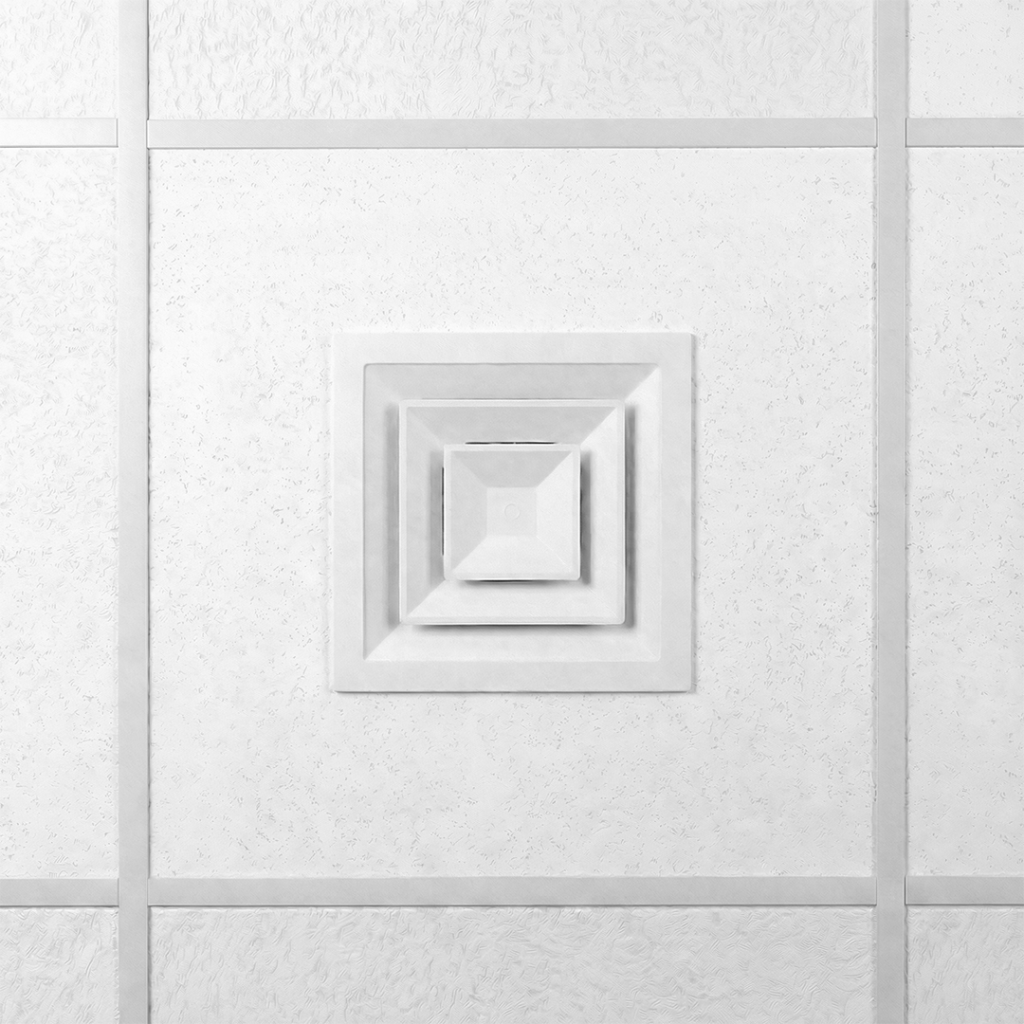
UniPat is available in a range of template sizes and configurations to suit common ceiling-mounted applications. From switches and sockets to detectors, AV points and vents, each template is designed to fit standard 600mm ceiling grids while offering flexible positioning within the tile. This allows installers to choose the right UniPat for the job without changing their workflow.

If your project requires a specific cut-out or layout, bespoke UniPat templates can be quoted to suit your exact requirements.

REQUEST A QUOTE

Get a Quote for Your Project

Tell us what you’re installing and the template size you require. We’ll provide pricing and guidance tailored to your project.

Scroll to Top